


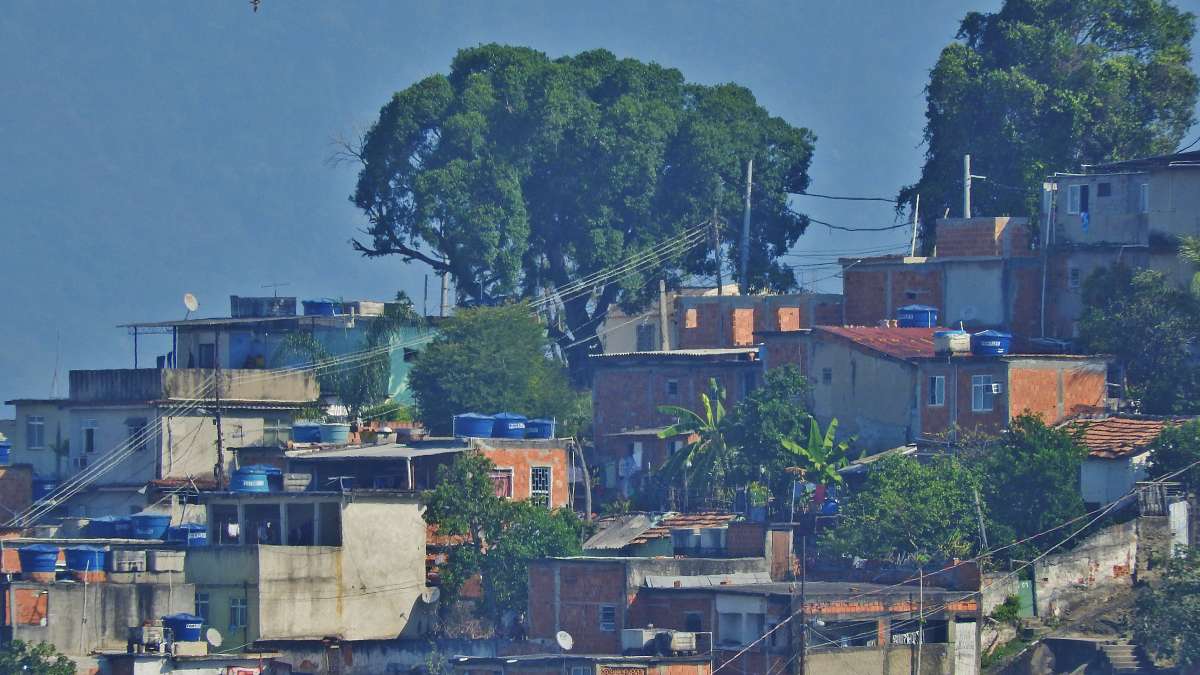
Brazil is characterized by strong social contrasts, which lead to considerable tensions in society. One major problem is the extremely unequal distribution of wealth and land ownership as well as the poverty rate. In 2022, more than half of all Brazilians were affected by food insecurity. In addition, the country is also deeply divided politically following the reign of far-right President Bolsonaro (2018-2022).
Another problem is security in the country. Violence and murder rates in Brazil are among the highest in the world. Drug and gang crime and excessive police violence are part of everyday life for many people, especially in the poor districts of the big cities.
This omnipresent violence continues to affect families. Violence against women is above average in Brazil: on average, a woman is murdered here every seven hours.
Inadequate mental health care is a major problem in Brazil. Many victims who suffer from the consequences of violence do not receive adequate treatment. These gaps in supply exacerbate the already difficult living situation of many people in the country.
Our Partner Organization
In Brazil, we have partnered with the Igreja Evangélica de Confissão Luterana no Brasil (IECLB), the Evangelical Lutheran Church in Brazil, since 2014. The IECLB is involved in numerous social and diaconal projects for marginalized people, especially children and youth in poor neighborhoods.
Contact Us

Our Projects
Further Training for Trauma Specialists
We strengthen counseling structures of the church in Brazil.
In Brazil, we have been training trauma specialists from the Evangelical Lutheran Church in Brazil since 2015. In November 2025, 25 participants successfully completed their advanced training as trauma educators and trauma counsellors. Across eight modules, they explored topics such as the diagnosis of trauma-related disorders, stabilisation-oriented treatment methods, attachment, and complex trauma. The seminars were held both in person and online.
The participants now apply their knowledge in their work with disadvantaged children, adolescents, and families affected by violence. In addition, they pass on their expertise to colleagues, thereby raising awareness of the important issue of trauma.
Each year, graduates of our training courses in Brazil take part in an international refresher seminar at Labenbachhof in Ruhpolding.


